

Introducción
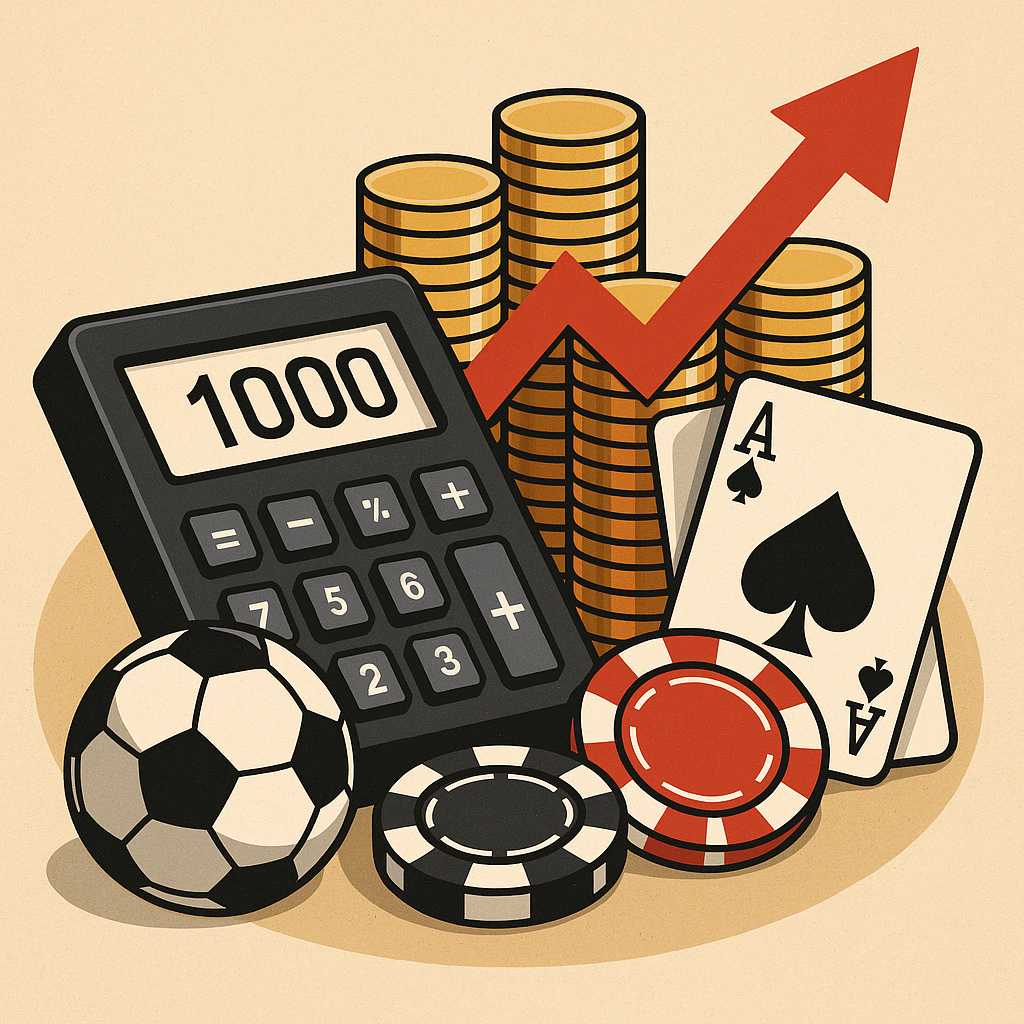
A partir de 2026, en Rusia comenzarán cambios significativos en la fiscalidad del negocio del juego, especialmente para las casas de apuestas y los totalizadores. Las nuevas reglas prometen aumentar considerablemente la carga sobre los operadores, y para los jugadores, cambiar el mecanismo de tributación de las ganancias. En este artículo analizaremos, qué exactamente cambiará, cómo afectará a la industria de las apuestas y a los jugadores, y qué riesgos y consecuencias pueden tener estas novedades.
Palabras clave para buscadores: «impuesto al juego 2026», «impuesto a las apuestas de casas de apuestas», «IRPF ganancia casa de apuestas», «impuesto casas de apuestas» y otros.
1. ¿Qué es el «impuesto al juego» y quién lo paga?
- Por «negocio del juego» se entienden las organizaciones que aceptan apuestas (casas de apuestas, totalizadores), así como casinos, máquinas tragamonedas, mesas de juego, es decir, objetos relacionados con los juegos de azar.
- Hasta ahora, el impuesto al negocio del juego en Rusia era regional, las tasas eran establecidas por las entidades de la Federación Rusa, y los operadores (casinos, máquinas, puntos de apuestas) pagaban cuotas fijas por cada objeto (por ejemplo, por máquina, mesa, punto de recepción de apuestas).
- Además, las propias empresas estaban exentas del impuesto sobre la renta habitual para los ingresos obtenidos de actividades de juego.
2. ¿Qué cambia en 2026? — Nuevas reglas para las casas de apuestas
Según las enmiendas recientemente aprobadas:
- El impuesto al negocio del juego se convierte en federal, y se eliminan las tasas regionales fijas.
- Se mantendrán dos tasas fijas: por una mesa de juego (250 000 ₽) y por una máquina tragamonedas (15 000 ₽).
- En lugar de pagos fijos para los puntos de recepción de apuestas (casas de apuestas, totalizadores) se introduce un nuevo impuesto del 7 % sobre la diferencia entre la suma de las apuestas aceptadas y los premios pagados. Es decir, los operadores pagarán impuestos sobre "premios menos apuestas" (en esencia, sobre los ingresos).
- Además, se introduce un impuesto sobre las ganancias de las casas de apuestas: una tasa del 25 %.
- También se cancela la regla anterior, donde los operadores actuaban como agentes fiscales solo en pagos de 15 000 ₽ y superiores: a partir de 2026 retendrán el impuesto sobre la renta (IRPF) de los premios independientemente de la cantidad.
3. Por qué las autoridades decidieron aumentar la carga
- Inicialmente se propuso un impuesto del 5 % sobre el volumen de negocios de las casas de apuestas: según las estimaciones del Ministerio de Finanzas, podría aportar decenas de miles de millones de rublos al presupuesto en los próximos años.
- Sin embargo, la propuesta fue criticada, en particular, por las federaciones deportivas: advirtieron que un aumento brusco de los impuestos podría reducir la financiación del deporte infantil y juvenil, que en parte se financiaba con las contribuciones del negocio de las apuestas.
- Como resultado, las autoridades llegaron a un compromiso: una tasa del 7 % sobre las ganancias + imposición de las ganancias + impuesto sobre los premios. Según sus estimaciones, esto garantizará un flujo significativo al presupuesto, del orden de cientos de miles de millones en varios años. ;
4. Qué significa esto para los corredores de apuestas y los jugadores
Para los corredores de apuestas
- Los gastos fijos aumentarán significativamente: ahora los operadores enfrentarán tanto pagos fijos (por mesas y máquinas) como un impuesto variable sobre los ingresos. Esto puede reducir las ganancias netas, especialmente para las casas de apuestas más pequeñas.
- Para las grandes empresas rentables, un impuesto del 25 % sobre las ganancias + 7 % sobre los ingresos representa una carga alta. Es posible que algunas empresas se desplacen hacia la zona gris, o que se revisen las cuotas, bonificaciones y condiciones para los clientes.
- Esto puede afectar la disponibilidad de apuestas, la velocidad de los pagos y la atracción general de los puntos de apuestas presenciales: algunos de ellos podrían cerrar, especialmente en regiones con bajos márgenes.
Para los jugadores
- A partir de 2026, los operadores estarán obligados a retener el impuesto sobre la renta personal de cualquier ganancia, independientemente de su monto. Es decir, incluso las pequeñas ganancias ahora estarán oficialmente gravadas.
- Aumenta el riesgo de que algunas casas de apuestas se dirijan a la "zona gris", lo que podría empeorar el control sobre los pagos y la transparencia.
- Es posible que aumenten las apuestas mínimas, disminuyan las promociones y los "bonos para principiantes": los corredores de apuestas tendrán que revisar sus modelos de negocio para seguir siendo rentables.
5. Posibles riesgos y efectos secundarios
- El aumento del costo de las apuestas y la disminución de la atracción de los corredores de apuestas legales podría estimular el crecimiento del mercado negro: plataformas ilegales donde no hay impuestos ni retenciones. Esto agravará el problema de los pagos no garantizados y el fraude.
- La disminución de los ingresos de los corredores de apuestas: menos fondos para el patrocinio deportivo, reducción de la financiación de iniciativas deportivas, federaciones y programas juveniles. Este es el argumento que presentaron los opositores a la nueva mo del extranjero.
- La presión sobre el negocio puede provocar quejas masivas de los operadores, intentos de cabildeo — son posibles revisiones de tarifas o el traslado de parte de las operaciones al extranjero.
6. Qué puede cambiar en el futuro — pronósticos para 2026+
- Según estimaciones, la carga fiscal sobre los corredores de apuestas podría convertirse en una de las más altas del mundo, si se consideran todos los impuestos: impuesto sobre ingresos, impuesto sobre ganancias, impuesto sobre la renta de las ganancias.
- Esto podría estimular la consolidación de los grandes jugadores: las pequeñas empresas se volverán no rentables, y el mercado podría consolidarse.
- Es posible el desarrollo de «nuevos formatos de apuestas» — por ejemplo, la transición a plataformas en línea, jurisdicciones offshore, clubes cerrados, para evadir parte de los impuestos (aunque esto conlleva riesgos para los usuarios).
- La legislación podría volver a ajustarse — es posible que en unos años se revisen las tasas y exenciones si la carga provoca una disminución demasiado fuerte del sector y una fuga de apuestas hacia la «sombra».
Conclusión
La reforma fiscal del negocio del juego, que entrará en vigor en 2026 — es un golpe serio para el mercado de apuestas de Rusia. Las nuevas reglas significan que las empresas de juego pagarán más, y los jugadores — arriesgarán la estabilidad de los pagos y el aumento de las apuestas.
Si eres apostador: vale la pena prestar atención a la legalidad del corredor de apuestas, las nuevas condiciones, tomar precauciones y estar preparado para los cambios. Si eres operador: necesitas recalcular el modelo de negocio, prepararte para el aumento de gastos, y posiblemente buscar formas de optimización.
En última instancia, las novedades — son un intento del estado de obtener ingresos significativos del sector, pero al mismo tiempo pueden provocar un fuerte desplazamiento hacia esquemas en la sombra.























































































Comentarios 0
Por favor, inicie sesión en el sitio, para agregar un comentario, me gusta o no me gusta.