

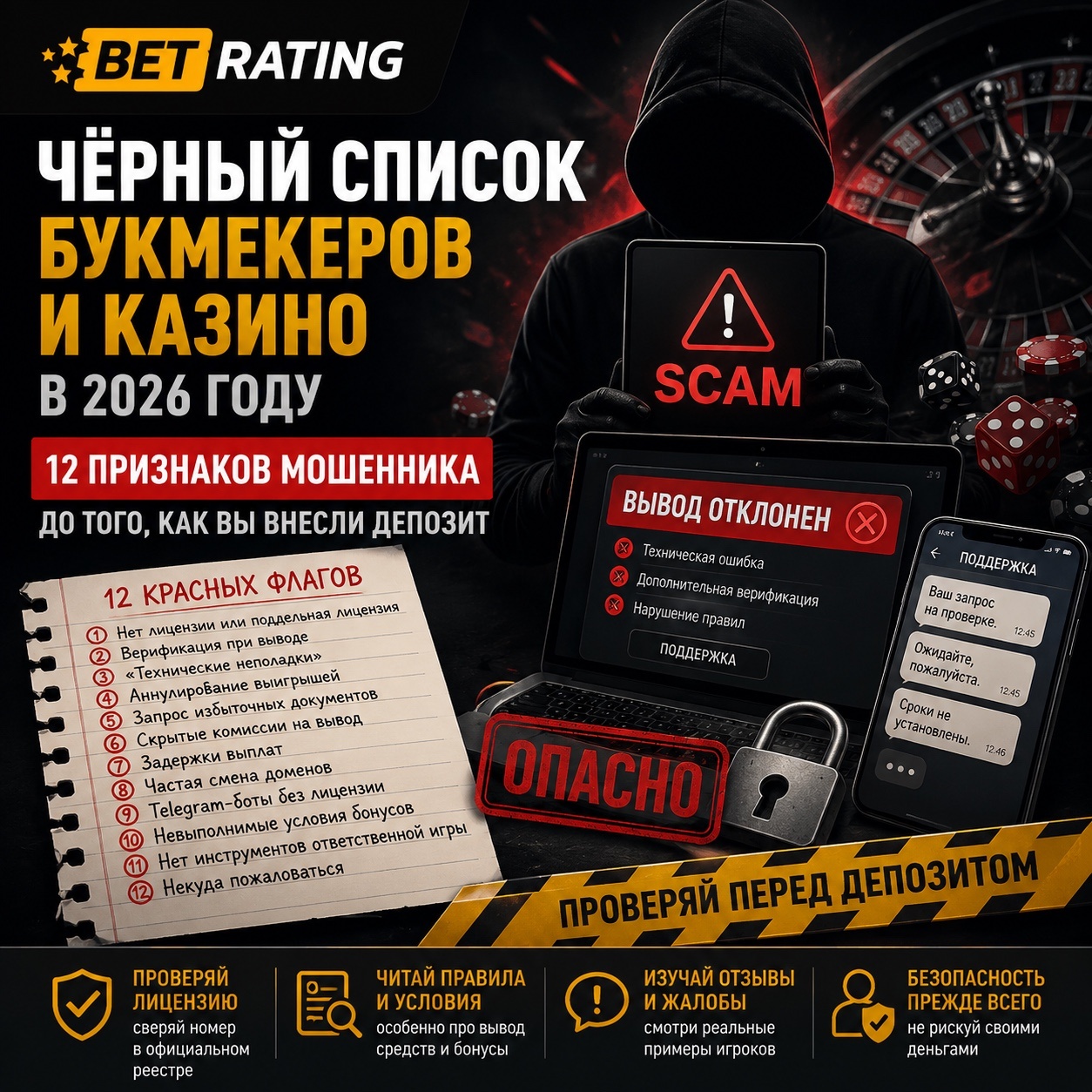
We have studied recurring patterns in open player complaints and highlighted signs that are most often encountered in disputes with illegal and problematic platforms — things to check in advance, rather than after the money is stuck in the account.
Almost any fraudulent platform looks just as good as a legal one at first glance: a neat website, live support chat, generous bonuses. The difference appears not at the registration stage, but at the withdrawal stage — that’s when the "technical issues" begin, endless verification, and suddenly discovered rule violations.
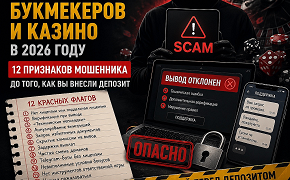
We studied typical phrases from open complaint databases about platforms — from prolonged verifications lasting months to retroactively canceled winnings — and compiled them into 12 recognizable patterns. If the platform you are considering shows at least two or three signs from this list, — it’s a reason to pause before making a deposit, not after.
In brief: how it works
| Stage | What actually happens |
|---|---|
| Registration and deposit | Accepted instantly and without problems — the platform needs your money upfront |
| Small win | Often paid out on time — this builds trust and encourages new bets |
| Large win | Prolonged verification begins, requests for excessive documents, or account blocking "for technical reasons" |
| Withdrawal attempt | Delays, hidden fees, references to "rule violations" discovered retroactively |
| Complaint | Support stops responding substantively; the platform often lacks jurisdiction where an official complaint can be made |
12 signs to look out for in advance
No verifiable license number
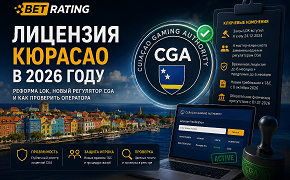
The word "Curaçao" or "license" in the footer of the site proves nothing by itself. A legal operator provides a specific license number that can be verified in the official registry of the regulator — for example, in the CGA licensing management system after the 2024–2026 reforms.
Verification only starts when attempting to withdraw
One of the most common patterns in complaints: deposits and bets go through without a single question, but as soon as the player requests a withdrawal of a large sum, the account suddenly gets blocked "for verification" for an indefinite period.
"Technical issues" right at the moment of withdrawal
The account becomes inaccessible, support claims it’s a temporary technical failure unrelated to the withdrawal request — yet no timelines for resolution are given or they are constantly pushed back.
Winning bet is retroactively canceled
The platform finds a formal reason to recalculate an already settled winning bet as a losing one — for example, citing statistics that differ from the statistics on its own site just a few hours earlier.
Request for excessive or non-standard documents
In addition to the usual passport for identity verification, suddenly documents are required that no legal operator asks for — for example, a contract with a mobile operator with a stamp and signature.
Hidden or inflated withdrawal fees
Significant withdrawal fees that only appear with insufficient gaming turnover and were not stated in advance in the terms — a common sign that the platform initially does not plan to pay out the winnings in full. Legal operators have transparent and fixed withdrawal conditions in advance, not appearing at the time of request.
Payouts of large winnings are stretched over an unreasonably long period
A sharp contrast between the speed of processing deposits and small winnings (usually instant) and the timelines for paying out large sums (weeks without clear explanation) — a clear imbalance indicating intentional delays rather than good faith verification.
Domain and "mirrors" frequently change without clear explanation
Legal operators also sometimes change domains — regulators like the CGA even provide a separate procedure for managing authorized domains of the licensee. However, frequent domain changes without a clear explanation and without reflecting new addresses in the license data — a serious signal for further verification, especially if accompanied by the emergence of many "current mirrors" on third-party sites.
Only operating through an anonymous Telegram bot without a website and license
Casino and betting bots in Telegram that accept deposits in cryptocurrency without any verification cannot physically be part of a regulated market — there is simply no legal entity to verify. Telegram periodically conducts mass clean-ups of such bots, confirming the scale of the problem, not its absence.
Bonuses with impossible wagering conditions
A starting bonus of 200–300% of the deposit with a requirement to wager the amount 40–60 times before withdrawal is mathematically designed so that almost no player can complete the wagering. This is not a gift, but a tool to keep the deposit in the account.
No responsible gaming tools
The absence of deposit limits, self-exclusion, and any tools for controlling gaming activity is a sign that the platform has not even undergone basic regulatory checks, where such tools are mandatory almost everywhere.
No place to complain except the platform itself
A legal operator has an external dispute resolution mechanism (ADR) or a regulator to which one can officially appeal. A fraudulent platform's only instance is its own support service, which is simultaneously the defendant in your complaint.
What to do before making a deposit
- Find the exact license number on the website and verify it in the official register of the regulator, rather than taking the footer of the site at face value.
- Check if the legal entity holding the license matches what is stated on the operator's website.
- Read the terms of withdrawal and bonus wagering before registration, not after.
- Check how many years the platform's domain has existed without changing its address.
- Search for the platform by name in open complaint databases—if there are complaints, pay attention to how similar situations ended.
- Ensure that the platform has an accessible external way to file a complaint—not just its own support.
Why this is especially important for the CIS and Central Asia
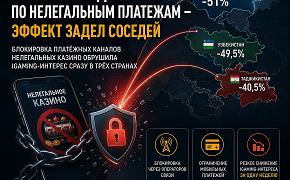
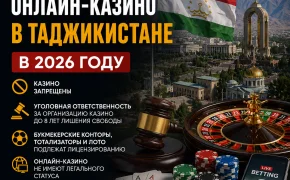
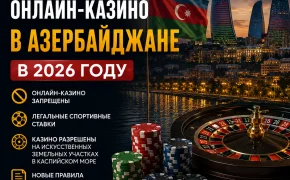
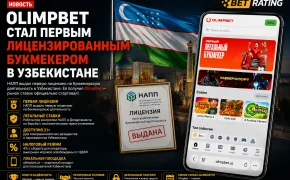
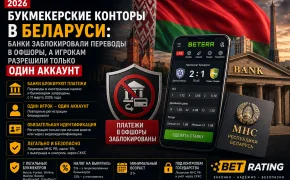
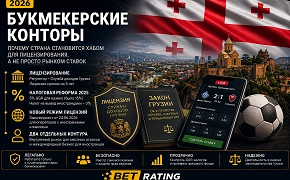
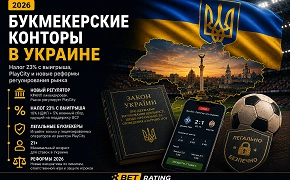
In the CIS and Central Asia, regulation varies greatly: in some places, the legal market is already established (like in Georgia or Ukraine), in others, it is just starting (like in Uzbekistan), and in some, it is strictly limited (like in Tajikistan or Azerbaijan). At the same time, users almost everywhere still have access to numerous offshore and illegal platforms that are not part of national regulatory systems.
This creates an environment conducive to fraudsters: a player physically cannot appeal to the local regulator if the platform does not operate within their legal framework. This is why checking a specific operator—rather than the general reputation of "bookmakers/casinos" as an industry—is crucial. Legal status in one jurisdiction does not protect a player in another, and illegal status does not provide protection anywhere.
How to check a bookmaker in Russia in 2026
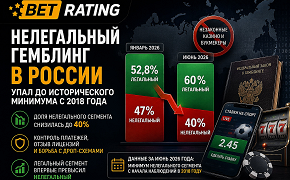
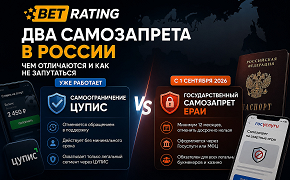
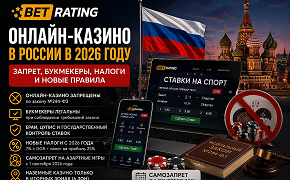
For a Russian player, the verification process is slightly different than for most offshore platforms: here, the license from Curacao is not important, but the operator's status in the Russian regulatory system is. The Unified Regulator of Gambling (ERAI) publishes rules and documents for gambling organizers, and settlements for interactive bets of legal bookmakers go through a regulated payment infrastructure, including the Unified TSUPIS.
If a site accessible from Russia is not part of this system—the regulated payment infrastructure and the register of legal organizers—it is outside the Russian legal framework, regardless of what offshore license is stated in its footer.
How a platform gets blacklisted by BET RATING
We do not add an operator to the list of problematic platforms based on a single isolated review. The grounds for this are a combination of signs:
- confirmed systemic non-payments of winnings, not a single disputed case;
- absence of a license or a license that cannot be confirmed in the official register of the regulator;
- signs of forgery of licensing data or the regulator's digital stamp;
- repeated complaints about the same scheme (prolonged verification, cancellation of bets, hidden fees);
- widespread account blocks without clear justification.
This approach allows us to separate a genuinely problematic operator from a single conflict case that can occur even with a legal platform.
Conclusion
Fraudulent platforms rarely look suspicious at the registration stage—their goal is to appear as reliable as possible until you try to withdraw money. The difference manifests in details: the speed of payouts, transparency of terms, the presence of a verifiable license, and an external dispute resolution mechanism.
The list of 12 signs does not replace the verification of a specific operator, but provides a quick reference: the more matches, the higher the risk that you are dealing with a knowingly fraudulent platform.
Frequently Asked Questions
How to quickly check if a bookmaker or casino is legal?
Find the exact license number on the operator's website and verify it in the official register of the regulator—for example, in the CGA system for Curacao licenses. Matching the legal entity, status, and domain is the minimum set for basic verification.
What to do if the bookmaker does not pay out the winnings?
Document all data (dates, amounts, screenshots of correspondence), contact support in writing, and if there is no response, file a complaint through external complaint databases or the ADR mechanism of the regulator that issued the license.
Does a long verification mean the platform is fraudulent?
Not always—legal operators also have verification processes. A worrying sign is if it only starts when attempting a large withdrawal, rather than at registration or with small transactions.
Are casino bots in Telegram safe?
Typically, they operate without a license and verification, making them effectively unregulated platforms—when disputing with such a platform, the player has no protection mechanism.
What does a high withdrawal fee mean?
A fee of 15–20% or more with insufficient gaming turnover is a common sign that the platform initially does not plan to pay out winnings in full.
Why do fraudulent platforms often change domains?
Frequent domain changes help bypass regulator blocks and complicate tracking the history of complaints against a specific platform—legal operators with a permanent license do not have such a need.
Can huge welcome bonuses be trusted?
A bonus by itself is not a sign of fraud, but extreme wagering conditions (40–60 times or more) are usually designed so that withdrawing money becomes nearly impossible.
How to check a bookmaker specifically in Russia?
The offshore license is not important; the operator's status in the Russian regulatory system is: the register of legal organizers at ERAI and settlements through the regulated payment infrastructure, including the Unified TSUPIS. If the site is not part of this system, it is outside the Russian legal framework, regardless of what is stated in its footer.
Where to complain about an illegal platform without a license?
Formally — there is almost nowhere to go: without a license, there is no regulator responsible for a specific operator. This is the key reason why checking the license before making a deposit is more important than any bonuses.
Sources
- Open databases of player complaints about bookmakers and casinos in Russia and the CIS, 2026
- Materials from the Curaçao Gaming Authority on license verification and cases of seal forgery, 2026
- Industry materials on mass blocking of casino bots in Telegram, 2025–2026
This material was prepared by BET RATING based on aggregated patterns from open databases of player complaints and operator verification practices as of August 2026. Specific examples in the text are presented in a generalized form without naming the platforms and do not constitute an assertion of fraud by any specific operator.
Gambling is associated with the risk of losing money. This material is for informational purposes only and does not replace independent verification of a specific operator.








































































Comments 0
Please log in on the site, чтобы добавить комментарий, лайк или дизлайк.