

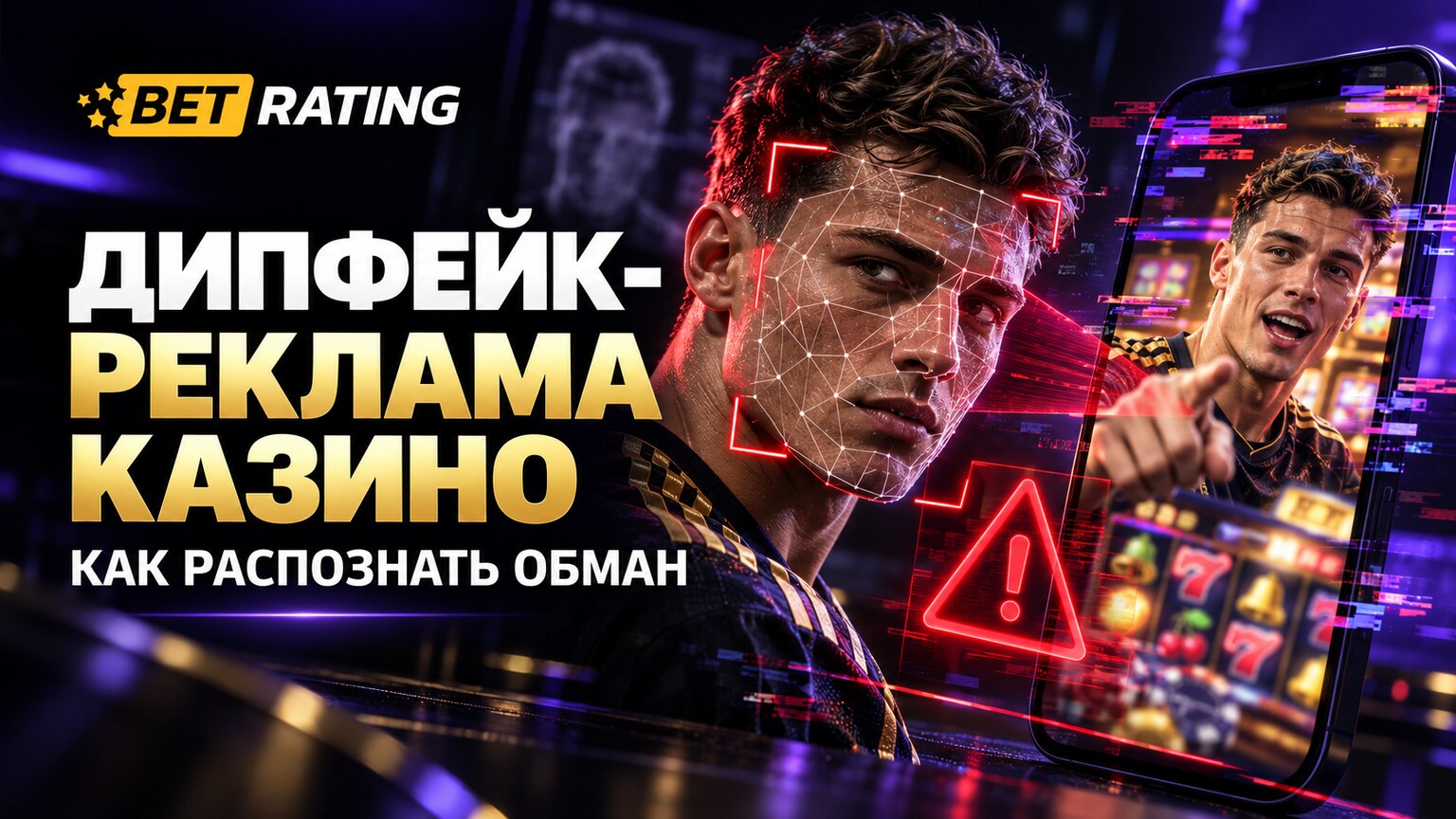
A famous football player recommends a gaming app, a blogger promises guaranteed winnings, and a familiar brand supposedly launches a casino.
The video looks convincing: natural speech, recognizable voice, familiar facial expressions. But the person on the screen may have never uttered those words.
Deepfakes allow for the creation of false endorsements using artificial intelligence. For the user, the danger lies not only in the fake video. It may be hiding a chain of fake news, a clone website, a dubious app, and demands to transfer money. BET RATING analyzes how such deception works and what to check before registering.
What is deepfake casino advertising
A deepfake is a synthetic or altered video, image, or audio created using AI. In fraudulent advertising, the technology helps attribute a non-existent performance to a real person: for example, a recommendation for a casino or a story about an allegedly personal service.
However, not every forgery is a deepfake. A photo of an athlete with a fabricated quote, a snippet of an interview taken out of context, and news on a copy of a media site can also mislead. To assess risk, the credibility of the claims is more important than the method of creating the advertisement.
The appearance of a celebrity on screen does not, by itself, confirm either their participation in the advertising campaign or the reliability of the operator.
How users are led from advertising to payment
The typical scheme is built on a combination of recognition, curiosity, and urgency. It can consist of several stages:
- Attracting attention. An unusual statement from a well-known person appears in the feed: they supposedly created an app or shared a way to quickly make money.
- Reinforcing the story. A link leads to a page resembling a publication from a major media outlet. Logos, design, and comments create the appearance of independent confirmation.
- Time limitation. The visitor is shown a timer, “last spots,” or a bonus that will disappear in a few minutes.
- Registration or installation. Phone number, email, and password are requested. Sometimes they offer to download the app directly.
- Money transfer. The user is encouraged to top up their balance or pay for an additional service.
Not every case includes all stages. Sometimes the advertisement leads directly to payment, while other times it first collects contact details. The overall goal is to prompt the person to act before they verify the source of the offer.
What risks need to be distinguished
False celebrity participation
The advertisement attributes a recommendation to a person that they did not give. Even if the gaming platform itself exists, a fake confirmation of partnership is a serious reason not to trust the advertisement.
Clone website of a real brand
The page may copy a well-known bookmaker, casino, or app store. In this case, the user risks giving their password and payment details to outsiders, believing they are on a familiar resource.
Opaque legal status of the operator
An existing company does not necessarily have the right to serve users from any country. Verifying the authenticity of the advertisement and checking local permissions are different tasks. One does not replace the other.
These risks can combine. But a separate delay in payment or an unusual name of the payment recipient does not yet prove fraud: it is necessary to clarify the specific circumstances.
Seven checks before registration
1. Find confirmation in official channels
Open the celebrity's, club's, or company's website yourself. Check if there is a message about the partnership. A link from the advertisement itself is not independent confirmation: it may lead to yet another fake page.
2. Check the media publication
If the advertisement refers to a well-known publication, find the material through a search on its real website. Brand colors and logos are easy to reproduce. The page address, author, date, and presence of the publication in the editorial archive are important.
3. Look at the full website address
Pay attention to substituted letters, additional words, and unusual domain endings. A familiar name within a long address does not prove the page belongs to the brand.
HTTPS is also not a certificate of honesty: a secure connection helps encrypt data transmission but does not confirm the truthfulness of the website's content.
4. Match the company and the license
Check the name of the legal entity, the status of the license, and, if such information is provided by the registry, the associated domains. Use the official source of the regulator, open independently of the advertising page. An image of a certificate on the operator's website is not enough.
5. Clarify the origin of the app
Open the app store separately and compare the developer, support website, and product description. Do not take a page with a “Download” button for a real store just because of familiar design.
Be especially cautious about requests to install an unknown device management profile, provide access to the screen, or run remote control software. Such actions can create additional risks for data.
6. Find out who the money is sent to
The recipient may be a payment intermediary, so a mismatch in the name with the brand does not always mean fraud. However, the role of the intermediary should be explainable through official terms and support. If they offer to transfer to a personal card or an unknown wallet without a clear basis, stop.
7. Avoid haste
An offer that cannot be calmly verified does not become safer due to a large bonus. A timer and pressure from a “manager” are reasons to cut off communication. Do not transfer a small amount “for verification”: even a successful first operation does not guarantee subsequent payouts.
Can deepfakes be recognized by face and voice
Sometimes a forgery is revealed by discrepancies in lip movement, unusual pauses, facial distortions, and lighting jumps. But these signs cannot be considered a reliable test. Poor quality of real video also creates artifacts, while a high-quality forgery may not have noticeable defects.
Checking the source is more useful than trying to guess a forgery by appearance. The question should not only be “does this look like a real person?” but also “where did they confirm such a statement themselves?”.
What is important for the audience in Russia and the CIS
Russian-language support, familiar currency, and the ability to open the site do not confirm the operator's right to operate in the user's country. There is no single license “for the entire CIS”: it is necessary to check a specific company, service, and applicable local requirements.
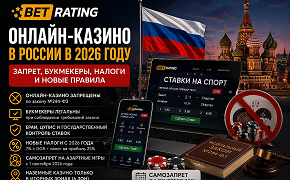
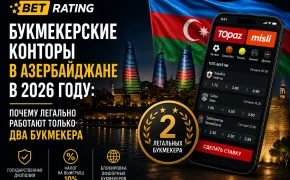
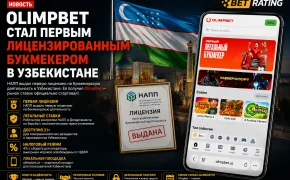
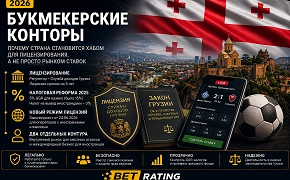
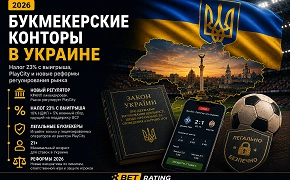
The general regional context is discussed in the BET RATING material “Bets under digital control”. When reading legal materials, consider the publication date and subsequent changes in legislation.
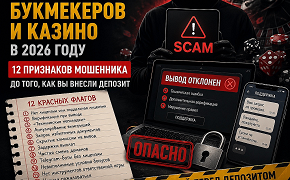
For additional verification, the analysis of signs of fraudulent bookmakers is also useful. Neither a rating nor a positive review replaces checking official documents.
What to do if you have already interacted with the site
Just opened the page
Close it, do not install the suggested files, and do not grant permissions for notifications or device management. Simply navigating does not mean that the phone or computer has been hacked. If an unknown installation file has downloaded, do not run it.
Entered a password
Open the actual service separately, change your password, and end any unknown sessions. If this password was used on other platforms, change it there as well. First and foremost, protect the email through which access to other accounts is restored, and enable two-factor authentication.
Shared card details or documents
Contact your bank through the official app or a known number. Explain what information was disclosed and follow the recommendations for protecting your card. If documents were sent, keep a record of the circumstances of the transfer and report any potential misuse to law enforcement.
Transferred money
Stop any further payments. Save the website address, advertisements, correspondence, receipts, recipient details, and transaction identifiers. Contact your bank or payment service to clarify available measures. The possibility of a refund depends on the circumstances and the method of transfer; it cannot be guaranteed.
File a report with law enforcement in your country and complain about the advertisement to the advertising platform. If someone else's brand or licensing information was used, notify the relevant company or regulator through official channels.
Do not pay any "withdrawal tax," "unlocking winnings," or guaranteed refunds for advances requested by unknown individuals. After the first scam, there may be a subsequent attempt to obtain money under the guise of assistance.
Frequently Asked Questions
Is any advertisement created with AI fraudulent?
No. The mere use of technology does not prove deception. The problem arises when a non-existent recommendation is attributed to a person, the real advertiser is hidden, or false information about the product is provided.
Does a verified account badge confirm the truthfulness of a video?
No. An account badge does not confirm every advertising claim and does not replace the need to verify the company, website, and permissions.
Can reviews under an advertisement be trusted?
Reviews can be helpful, but their origin is often impossible to verify. Similar comments and screenshots of winnings are not proof of the service's safety.
If a small amount was withdrawn, does that mean the site is safe?
No. One successful transaction does not confirm the legal status of the company, the security of data, or the possibility of receiving subsequent payouts.
The main takeaway
Deepfake advertising turns recognition into false proof of reliability. Protecting yourself involves the habit of checking information outside of the advertisement: independently searching for official statements, opening the actual website, and comparing operator documents.
If the source of the recommendation, the company, or the payment recipient remains unclear, do not share your data or money. Verification reduces the risk of fraud but does not eliminate the risk of losing in the most gambling game.
Materials for further verification
- ASA: Deepfakes and their use in advertising.
- ASA: Overview of fraudulent advertisements and fake recommendations.
- FTC: Impersonation and brand fraud.
- FTC: Recognizing phishing and protecting data.
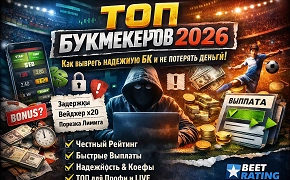
The BET RATING material is for informational purposes only. The cover is an AI illustration featuring a fictional character.
18+. Gambling involves the risk of losing money and can lead to addiction. Do not use borrowed funds and do not attempt to chase losses.





























































































Comments 0
Please log in on the site, чтобы добавить комментарий, лайк или дизлайк.